

The $0 Franchise Cheat Code
The $0 Shortcut That Helped This Guy Skip the First Three Years of Franchise Ownership
If franchising is such a proven path to building wealth and owning your time, why do so many people spend months (sometimes years) spinning their wheels before ever signing an agreement?
Most of the time, I’d say it comes down to one thing: information overload with zero personalized guidance.
There are over 4,000 franchise concepts available in the U.S. right now.
You’ve got fast food, fitness studios, home services, tutoring centers, med spas, pet care, and the list goes on and on.
You name it, someone’s franchised it.
And while that kind of variety sounds like a good problem to have, it creates a very real paralysis for anyone trying to figure out where they actually fit.
Most people approach it the same way:
- They spend hours on Google.
- They fall into Reddit rabbit holes
- They download a few FDDs, get confused by the language, and eventually close their laptop and tell themselves they’ll revisit it next month
Add in the financing questions, the territory negotiations, the royalty structures, the Item 19 analysis, and suddenly you’re left scratching your head on where to even begin.
And doing all of it alone, without a roadmap or someone in your corner who’s been through it dozens of times? That’s where the dream starts to lose steam.
This is exactly the gap Franzy was built to close.
Their platform pairs aspiring franchisees with dedicated coaches who’ve seen enough deals to know what works…and more importantly, what doesn’t.
They dig into your goals, finances, lifestyle, and risk tolerance before they ever put a brand in front of you.
The best part is that the whole thing is FREE to use, which is still kinda wild when you think about how much traditional franchise brokers charge for far less value.
But enough setup. Today, I want to tell a story about someone who’s actually been through this entire process, along with some of my thoughts on it.
The Franchisee Who Did Things the Right Way
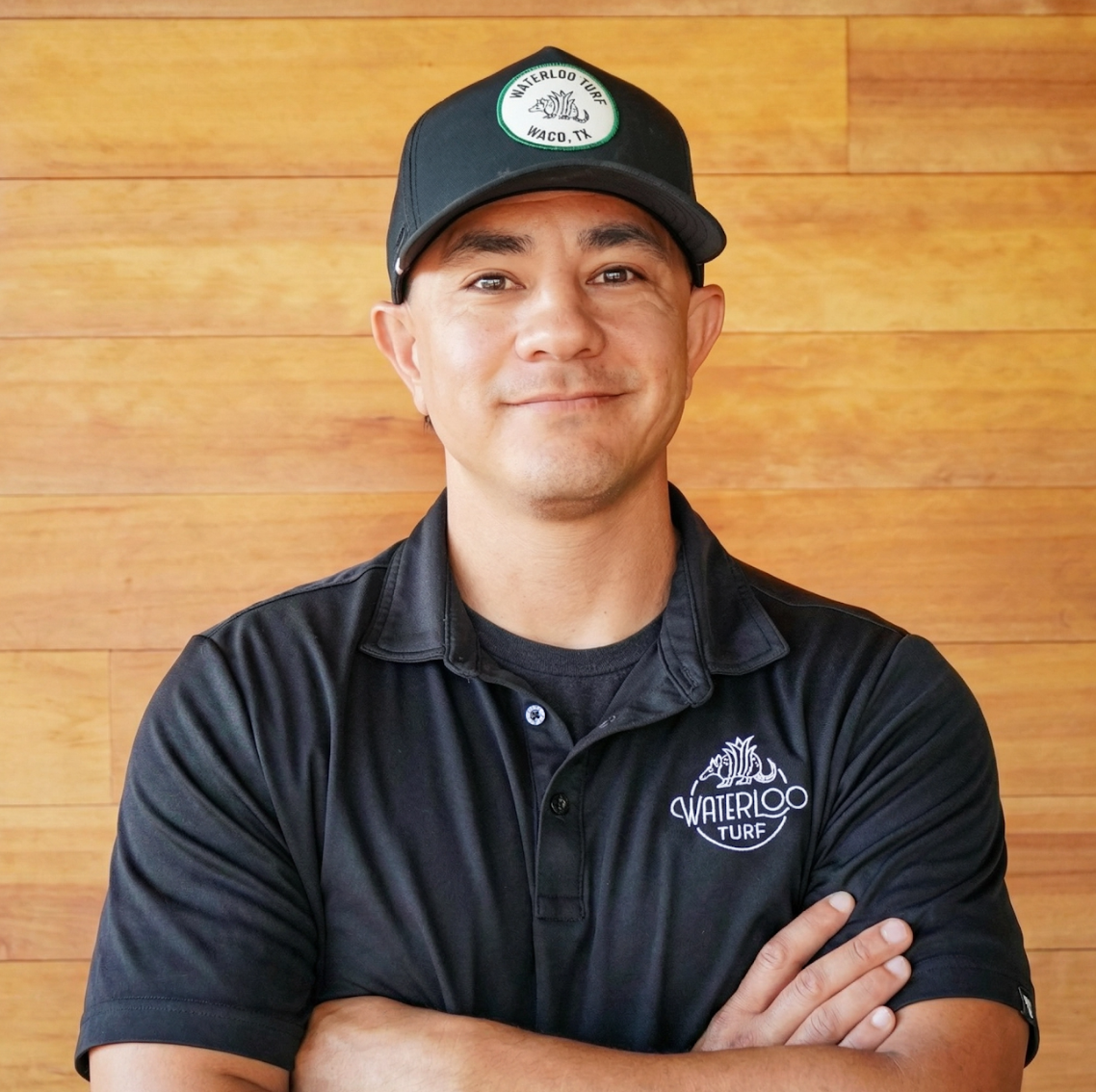
Meet Stephen Tong.
For a little over a decade, Stephen was a law enforcement officer in Napa, California, and when I say he did a little bit of everything, I mean it.
Detective work, SWAT, field training officer, and he spent about seven years as a canine handler.
He was all in, but that’s exactly where the problem existed:
- Twelve-hour shifts
- Constant overtime
- A cycle that kept repeating itself no matter how much he gave
Stephen is the kind of person who’s always felt a genuine pull toward community, which is part of why he went into law enforcement in the first place.
But at some point, the job that was supposed to let him serve his community started eating the rest of his life whole.
“I wanted my time back,” is how he puts it. Simple as that.
What’s interesting is that the skills that made him good at his job turned out to be exactly what franchise ownership rewards.
The uniform changed, but the toolkit didn’t.
So when Stephen started exploring entrepreneurship, he wanted something with staying power, like a proven system he could actually build on, and something that could give him flexibility without sacrificing stability.
Franchising checked every one of those boxes, in theory.
“I wanted to follow a proven system and have the support structure needed to grow and scale a business,” Stephen explained.
“Franchising gave me the ability to step into entrepreneurship with a blueprint instead of trying to figure everything out on my own.”
That blueprint-instead-of-blank-page framing is something you hear from a lot of super successful franchisees.
There’s a reason the failure rate for franchise businesses is dramatically lower than for independent startups, by the way.
That’s because the model’s already been stress-tested, and the mistakes have already been made by someone else.
Your job is simply to execute, instead of inventing the wheel.
But knowing that franchising is the right vehicle and knowing which franchise is the right vehicle?
Two very different problems, my friend.
“Before Franzy, honestly, everything felt uncertain,” Stephen said.
“I didn’t know where to start, what questions to ask, or how the process even worked.”
That kind of honesty is refreshing. A lot of people feel that same uncertainty but won’t admit it, which is partly why so many end up making decisions based on brand familiarity rather than actual fit.
They go with the name they recognize because it feels safer than doing the real digging.
Stephen wasn’t willing to settle for comfortable. He wanted right.
From Thousands of Options to the One That Fits
The first thing Franzy did was slow Stephen down, in the best possible way.
Instead of flooding him with options, they started with questions like:
- What does your ideal day look like?
- What industries genuinely interest you?
- How involved do you want to be in day-to-day operations?
- What does success look like in three years, not just three months?
It’s the kind of intake process that sounds simple but actually requires someone who knows what they’re listening for.
“Franzy has a really thorough process that helps clarify what you want and what your long-term goals are,” Stephen said.
“Once we defined my ‘buy box,’ they were able to narrow down opportunities that actually fit what I was looking for.”
In my opinion, the buy box concept is one of the most underrated parts of franchise discovery.
Most people walk into the process with a vague idea like “I want something in home services, or I’d love to be in the wellness space,” but haven’t defined the parameters that would make a business work for their specific life.
That means stuff like investment range, owner involvement level, territory size, industry stability, scalability potential, and so on.
Franzy’s coaches build that framework with you before they ever show you a brand.
And just as importantly, they help you eliminate.
“The biggest decision I made faster because of Franzy was identifying what businesses I didn’t want to be involved in,” Stephen noted.
“Once those were eliminated, it became much easier to focus on the opportunities that truly aligned with my goals.”
This is something that gets overlooked constantly. Narrowing your search by ruling things out is just as valuable as finding things to pursue.
It saves time, preserves mental energy, and keeps you from getting excited about something that was never going to work for your situation in the first place.
One moment in the process stood out as particularly telling.
“One thing I appreciated about working with Franzy was that they weren’t trying to push me into any particular brand,” Stephen said.
“They really listened to feedback and adjusted the search until we found something that genuinely fit.”
That kind of objectivity is rarer than it should be in this industry.
Traditional franchise brokers are incentivized to close deals because their commissions depend on it.
A platform that’s willing to tell you to walk away from an opportunity, or pivot entirely based on your feedback, is operating from a fundamentally different set of values.
The way I see it, it’s the difference between someone who wants the sale and someone who actually wants you to succeed.
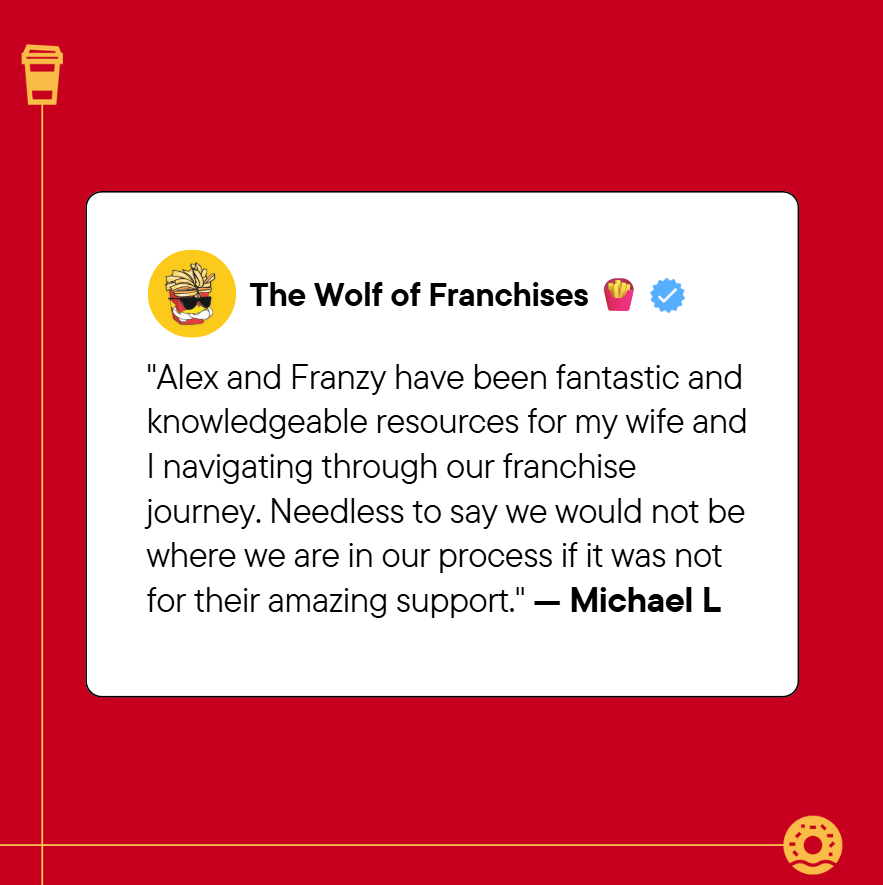
This is also where another piece of feedback from Franzy’s network echoes loudly.
When the Right Opportunity Finally Lands in Front of You

After going through Franzy‘s process, Stephen landed on Waterloo Turf, and it’s hard to argue with the fit.
Waterloo Turf is a home services franchise that installs and maintains high-quality artificial turf for both residential and commercial properties.
Think synthetic grass that stays green year-round, never needs mowing, cuts water usage significantly, and eliminates the chemicals most people are dumping on their lawns every spring.
I love their tagline, “give your customers their Saturdays back,” because it’s as true as it is attention-grabbing.
From a business model standpoint, home services is one of the most consistently strong franchise categories out there.
That’s because it’s largely recession-resistant, demand doesn’t dry up when the economy gets shaky, and the overhead structure is far more manageable than brick-and-mortar concepts.
For someone like Stephen who values flexibility and community impact, it’s a strong structural match.
“The flexibility is huge,” Stephen said of business ownership.
“It allows me to spend more time with my family while building something meaningful in my community. I also enjoy delivering a great service to customers and building relationships with other local business owners.”
That last part matters more than it might seem.
What I mean is, one of the biggest intangibles in franchise success is genuine enthusiasm for the product or service you’re delivering.
People who love what they sell build better customer relationships, generate stronger word-of-mouth, and tend to stick it out when things get difficult.
So Stephen may be running a turf company, but more importantly, he’s helping homeowners reclaim time and transform their spaces.
That’s a story he can tell authentically, and authenticity in a local service business is worth more than any marketing budget.
No, You Don’t Need a Fortune to Start a Franchise
One of the most persistent myths in franchising is that you need serious, already-stacked capital to even get in the conversation.
I’ve talked about his point repeatedly, so if you’ve heard me rant about this at any point, just know that it still isn’t enough.
That’s because it keeps way too many qualified, capable people on the sidelines longer than they need to be.
Stephen’s story addresses this directly.
“Many people assume franchising is only for individuals with a large amount of capital,” he said.
“While you do need some investment, Franzy was incredibly helpful in explaining financing options and guiding me through how to secure the capital needed to move forward.”
This is where having knowledgeable coaches in your corner changes the math.
SBA loans, franchisor in-house financing, HELOCs, rollovers for business startups…there are multiple legitimate paths to funding a franchise that most people have never even heard of.
Franzy’s team walks you through these options practically, based on your actual financial picture, rather than speaking in hypotheticals.
There’s also a compelling reframe in how Stephen thinks about what franchising actually is, and it’s worth repeating.
“In many ways, you’re stepping into year three or four of a business instead of starting at year one,” he said.
“Franzy played a big role in helping me decide if franchising was the right move and connecting me with the right opportunities.”
Year three or four. Think about what that means for a sec.
The product-market fit has been proven and the operational systems exist.
Now, instead of figuring out if an idea works, you’re focusing on whether you can work it well in your market.
For someone with management experience, operational discipline, or even a military background, that’s a massive head start.
The Clarity You’ve Been Looking For Is One Conversation Away
Franzy has plenty of stories similar to Stephen Tong’s, but think of this story as a template they are familiar with.
He came into franchising uncertain about just about everything. Where to start, what to look for, and how the whole process worked.
He left with a brand that aligned with his lifestyle and his values, and he’s building something real in his community because of it.
That outcome is the result of a structured, well-supported process that puts the right opportunity in front of the right person.
The opportunity for franchising in 2026 is as strong as it’s ever been, but the research process has never been more overwhelming for someone doing it alone.
The concepts, the FDDs, territory maps, financing structures, and the list goes on.
There’s a reason people spin their wheels for months before pulling the trigger, or worse, never pull the trigger at all.
Franzy cuts through all of that.
Their platform is completely free, their coaches genuinely care about finding the right fit over making the fastest placement, and they’re thinking about your long-term portfolio from the very first conversation.
Whether you’re exploring franchising for the first time or you’re an existing franchisee looking to expand into a complementary concept, the process gets a whole lot clearer when you have people who’ve done this hundreds of times in your corner.
Take their free quiz and find out what your franchise story could look like.