

Advice Directly From the Experts
You know what makes the bulk of franchise research so difficult?
Not having any guidance or direction whatsoever.
Naturally, most people will start with a general idea and progress into the unknown from there.
Maybe they’re desperately searching for a way out of corporate life and have some capital sitting around, or maybe a friend just bought a franchise and seems suspiciously happy about it.
So they start Googling, and within an hour they’ve got twelve tabs open with FDDs they don’t fully understand, and now, they’re somehow more confused than when they started.
That’s inevitably what happens when you try to learn an entire industry by yourself, in your spare time, using search results optimized to sell you something.
Here’s the part that actually matters, though: the process only feels overwhelming when you’re navigating it alone.
The people who work in franchising full time that are fielding the same questions week after week don’t see that same chaos.
Instead, they see a pattern they’ve walked through hundreds of times, which means they already know exactly where people get stuck and what nobody tells you until it’s too late.
That’s the whole premise behind Franzy.
Instead of simply guessing your way through the process or leaning on a broker whose paycheck depends on which brand you choose, you get advisors who do this work every single day, with no stake in your final decision.
Free access to people who’ve had this conversation hundreds of times isn’t something to shrug off!
So I asked three Franzy advisors, Harris Gubin, Caleb Clayton, and Joe Ross, to answer five questions every franchise candidate eventually asks, whether they say it out loud or keep it to themselves.
The idea here is to share the direct answers from people who’ve heard every version of your situation before and who are more than happy to find a path that makes the most sense for you.
Let’s cover some common questions and what they each had to say. Before that, how about a proper introduction from our advisors?
Meet the Advisors

Harris brings 14+ years of experience as a franchise coach, having founded and led Corner Booth Franchise Coaching. He sees the franchise process as an exploration, guiding executives through funding and documentation to find a fit that matches their goals and lifestyle.
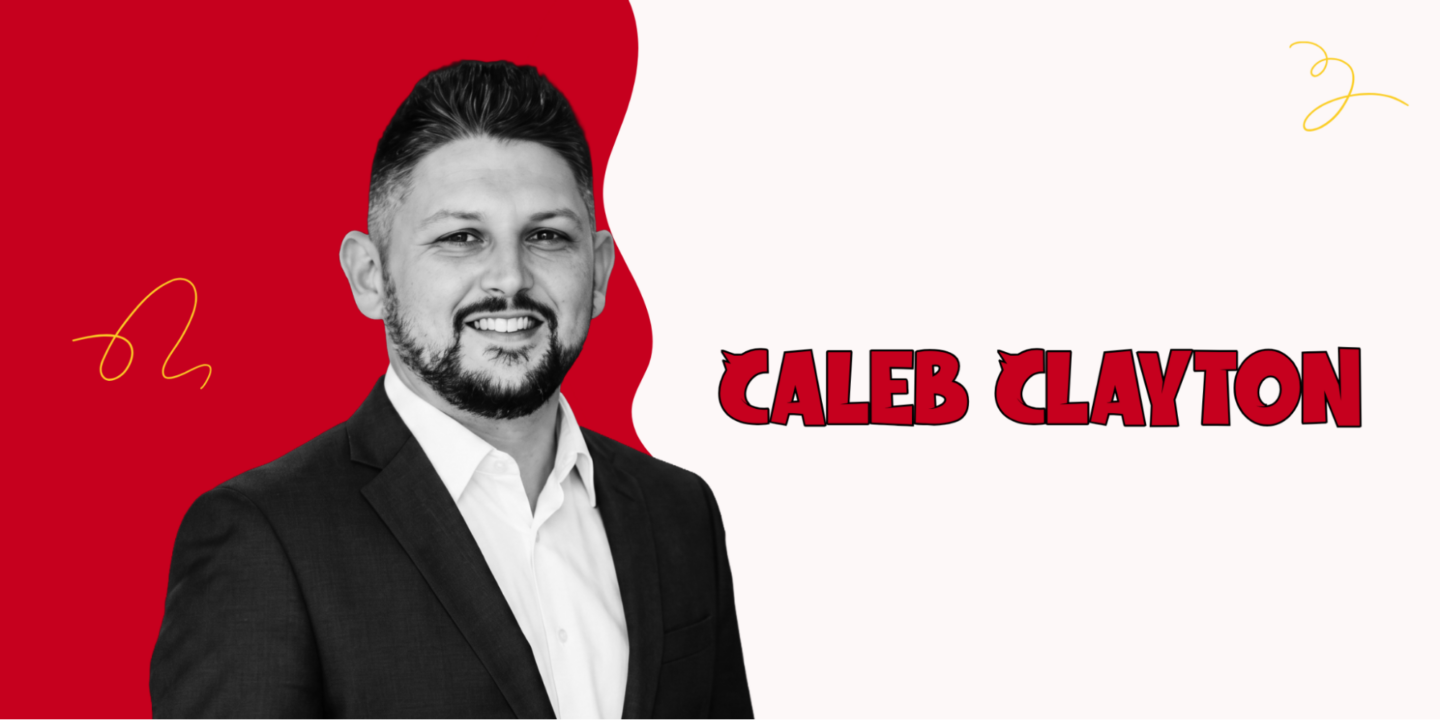
Caleb has 14+ years in franchising, having led development for seven national brands, awarded 1,200+ territories, and spent six years as a franchise owner himself. He and his wife also own one of the largest prom dress retailers in the Southeast.
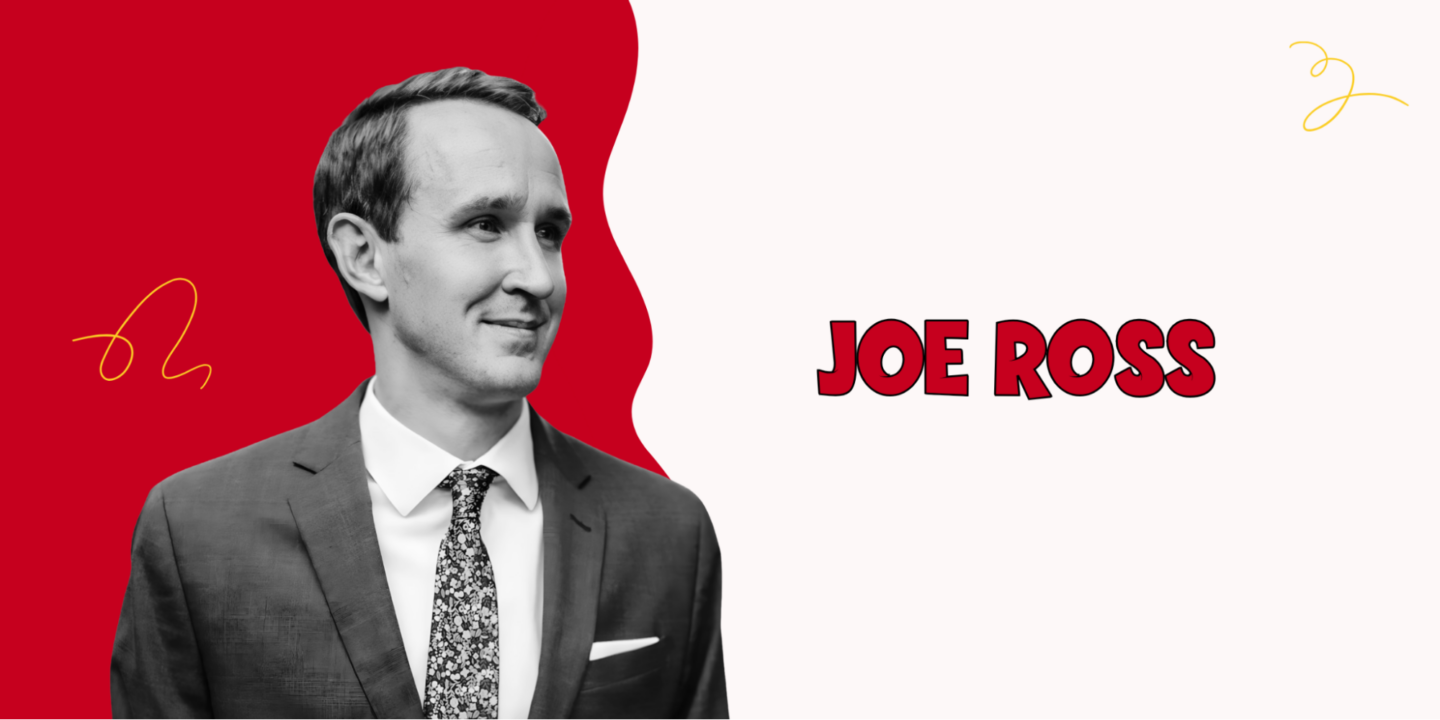
Joe joined the Franzy team this year with 15+ years of franchise development experience, having held senior roles at organizations like Griswold Home Care, BNI, and CorporateConnections.
1. Before I start looking at brands, what’s the one thing I should figure out about myself first?
Harris mentioned family, which is not something I hear talked about enough in this space.
“Does your spouse or partner support your decision to explore and potentially go into business ownership? Having their buy-in is critical to your process and happiness.”
Joe is laser-focused on being as specific as you can, because that’s what clears up a lot of the gray areas.
“Figure out what you’re optimizing for. What does success look like for you specifically? Maximum income, flexibility, something you can scale, or a business you can eventually step away from? Then get practical. Do I genuinely enjoy managing people? What size team would I thrive leading? Am I comfortable with business development? The best franchise buyers don’t just research businesses, they research themselves first.”
Caleb landed on a similar note, pushing candidates to get honest about the life they want two or three years out before they start shopping brands.
I think the big overall takeaway here is knowing yourself before you know the brand.
Whether that’s your marriage or your honest read on what you’re optimizing for, none of it shows up in a spreadsheet, so it’s up to you to get specific about those personal details.
2. What do most people miss when they’re researching a franchise for the first time?
Harris zeroed in on the day-to-day, where you should literally imagine yourself doing the work beyond just the romanticization aspect.
“They forget to really dig down on the owner’s role and what they’ll be doing day to day. Having a good understanding of owner roles and responsibilities will allow someone to step back and say, okay, I can envision myself doing this.”
Caleb’s answer was less about the role and more about who’s running the show. This is important because a brand is only as reliable as the leadership managing it all.
“They evaluate the business model and completely ignore the leadership team. You’re not just buying a proven business model, you’re entering a ten-year relationship with whoever’s running that brand. The numbers will tell you what it costs, validation calls will tell you what franchisees think, but neither one tells you what it’s like when things go wrong, and you have to deal directly with the people running the company.”
Joe made a similar point about candidates deciding too early, based on a first impression rather than firsthand knowledge of what day-to-day ownership realistically entails.
When you think about it, a ten-year relationship deserves way more scrutiny than a quick scan of the numbers, right?
People evaluate the model and either skip the day-to-day reality or the humans running the company, and all of these play a role in which franchise(s) are ultimately a great fit for you.
3. How can I get the most value possible out of validation calls with franchisees?
Harris recommends talking to the right people.
“Speak with the top performers, unless you consider yourself a bottom performer or a middle-of-the-road performer. You want to understand what the top performers are doing to be successful and then ask yourself, can I do that? Do I want to do that? It also helps to ask your Franchise Coach or Advisor for a list of questions you can bring into those calls. Any reputable coach will have those ready for you.”
Joe’s advice is pretty straightforward. Just show up with some kind of plan, because it’s hard to get help without providing any context at all.
“Go in with a game plan. Before each call, think about what you need to learn to confidently say yes or no. What excites you? What gives you pause? The more context you provide, the more useful the conversation becomes. And stay curious, ask follow-up questions. If someone says they’d invest again, ask why. Those follow-ups usually surface the details that help you decide.”
Between the two, the message is clear here. Talk to the people who are actually succeeding, and don’t waste a call just winging it.
A validation call is only as good as the questions you bring into it, and trust me, there is plenty of shared DNA you can borrow from the people who are doing what you want to do in the future.
4. How should I be thinking about financing, and what do most people get wrong?
Harris framed it as an issue around confidence, and not scraping options together in the final hour.
“Understanding your options will give you a sense of comfort and build your confidence as you explore. Too many people wait until the last minute to figure out how they’ll fund their business, and it makes them feel unsettled. Just like franchise exploration, educate yourself early and understand what the right funding vehicle is for you.”
Joe got specific about what people overlook, since they tend to underestimate the number of financing options that are available to them.
“Most people default to their local bank. In reality, plenty of franchise purchases run through lenders who specialize in franchise financing, including SBA loans, and that process is often faster and more predictable. It’s also worth understanding options like a ROBS structure, which lets you redirect retirement funds into your own business under the right conditions. For the right person, it’s a smart way to invest in yourself while keeping more flexibility in your cash flow.”
Caleb made a similar point, that people fixate on how much money they have instead of asking how much that money actually costs, and the cheapest capital is usually the option they overlooked first.
The common thread among their answers is that waiting until the last minute to figure out financing is a huge mistake, and the options people default to are rarely the best ones available.
5. I just signed. What should I be doing right now to set myself up for success?
Harris kept it grounded in the fundamentals and following a proven path.
“That’s a great question to bring to the franchisees you speak with during validation, but always remember to follow the recipe for success the franchisor has already built. That’s the reason you invested in the model in the first place.”
Caleb’s answer was centered around all the impact you can make before business even begins.
“Work your network before you ever open your doors. Be aggressive on business development from day one. The franchisees who struggle in year one are almost always the ones who waited on the brand’s marketing to kick in instead of activating relationships they already had. Your network is your fastest path to your first dollar.”
Follow the playbook you paid for, but don’t sit around waiting for the brand’s marketing engine to do the work your own network could be doing on day one.

All three advisors had slightly different focuses, but there’s still a clear throughline that I found in all of their answers:
- Self-awareness is non-negotiable. The candidates who struggle are always the ones who never figured out exactly what they wanted before they started shopping.
- You’re buying a business model, but more importantly, you’re joining a relationship. The FDD tells you what everything costs, but it says nothing about who you’ll be on the phone with when something breaks, and how willing they are to help.
- Preparation compounds over time. If you’re waiting until the last minute on financing or network-building, you’ll be paying for it later in cash or time. Due diligence is what prevents this from happening.
None of that advice is particularly complicated, either.
What’s complicated is piecing it together on your own, without anyone who’s lived through hundreds of these decisions walking alongside you.
That’s what Franzy is for.
Instead of worrying about a pending sales pitch or a broker with a favorite brand and a commission riding on your decision, you get reliable advisors ready to share their hard-earned wisdom, available to you at no cost.
Franzy has built the deepest data set in the franchising industry and paired it with an AI-powered matching engine that generates a personal Franzy FitScore for you, so you’re not guessing your way toward the right fit.
Truthfully, there’s always going to be a learning curve with franchise ownership.
The good news is you don’t ever have to climb it alone.
When the people who do this work every day are happy and willing to share what they know, free of charge, the real question is: Is now finally the time to take advantage of it?