

The Silver Tsunami That’s Flooding Your Neighborhood, Right Now

America has spent decades and decades watching one of the largest demographic shifts in its history approach at the approximate speed of a mobility scooter…
And somehow, we’re still acting surprised that seniors need more support (and maybe that scooter, too).
The senior care industry has been around for quite a while in franchising. It rarely hits someone’s radar, though, until life drags it into view and you realize:
- Your dad shouldn’t be driving anymore.
- Your mom forgot to eat lunch again.
- Grandma insists she’s perfectly capable of living alone, even though the pile of unopened mail is beginning to develop its own ZIP code.
- Grandpa has taken his morning pills, but nobody can confirm whether those were today’s or Thursday’s.
Then, suddenly, the idea of senior care feels less like a realistic, necessary idea.
This is where I feel like a lot of people misunderstand the opportunity.
They hear home care franchise and picture someone personally helping a client get dressed or preparing their breakfast.
All important work, obviously, but franchise ownership in this category is much bigger than caregiving itself.
As a whole, think of it more as an operational business.
For example, you’re leading people, which means recruiting caregivers and building referral relationships, but most importantly, you’re earning the trust of families who are making some of the most emotional decisions of their lives.
You’re also building a local reputation in an industry where reputation is pretty much oxygen.
That makes Comfort Keepers® especially interesting for experienced professionals who have already managed teams, built relationships, and solved complicated human problems before lunch.
Maybe you’ve spent 15 years growing someone else’s company and might like your next chapter to be something more purpose-driven than improving Q3’s alignment metrics.
The demand for home care is growing around something deeply human: Most people want to remain in the place where their life happened.
And with more than 400 Comfort Keepers® territories currently available, this golden silver opportunity is arriving with a lot of room to run.
So let’s talk about what home really represents, why families are struggling to preserve it, how Comfort Keepers® turns that need into a scalable service, and why the timing deserves a very serious look.
A Home Is a Lot More Than an Address
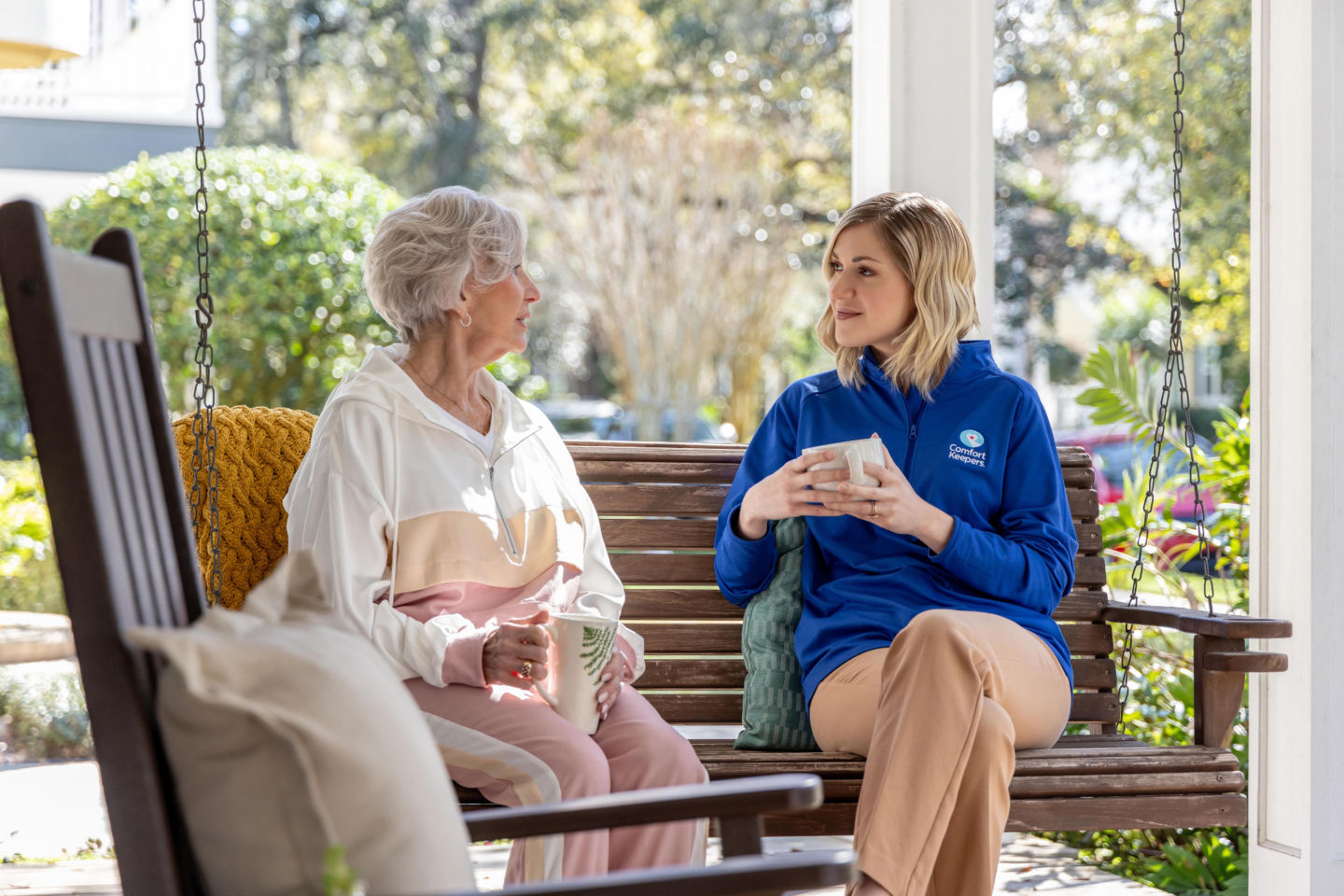
As I mentioned above, most people want to grow old inside the walls that watched them build a life, and it’s completely understandable.
The kitchen table has a small scratch from 1987.
The good chair is positioned at the exact angle required for optimal television watching.
The friendly neighbor you see almost every day while you’re grabbing the mail.
The fact that every drawer contains at least one mysterious key that must never be thrown away.
I think you get the idea here, right? Sentimental moments hit different when you lose access to the places and things that create them.
As people age, home can represent familiarity and a sense of control during a season when control starts slipping away.
Sure, moving into a facility may provide necessary additional support, but it can also mean leaving behind the routines and surroundings that make life feel like their own.
According to AARP, 75% of adults age 50 and older want to remain in their current homes as they age.
That desire creates a powerful emotional promise at the center of Comfort Keepers®’ business, which is that you can stay home.
Of course, staying home safely often requires some kind of help.
Someone may need transportation to an appointment, support with bathing, meal prep, respite care, light housekeeping, assistance related to dementia…the list goes on and on.
The practical needs vary, but the underlying wish usually doesn’t.
Comfort Keepers® has built its service around preserving both the person’s independence and the life they still want to live.
Its Interactive Caregiving approach looks beyond completing a shift from 8:00am to noon and calling it a day, so that it also considers things like:
What did this person enjoy before retirement?
Do they still like gardening?
Could they attend bingo, or spend an afternoon looking through old photos?
Care should keep somebody safe, but I believe that it should also leave room for them to remain themselves.
That distinction matters a great deal, and families remember it. Apparently, some clients remember it so deeply that their caregivers are later mentioned in their obituaries!
Hard to imagine a more powerful customer testimonial than becoming part of someone’s life story.
The Family Group Chat Can’t Handle This Forever
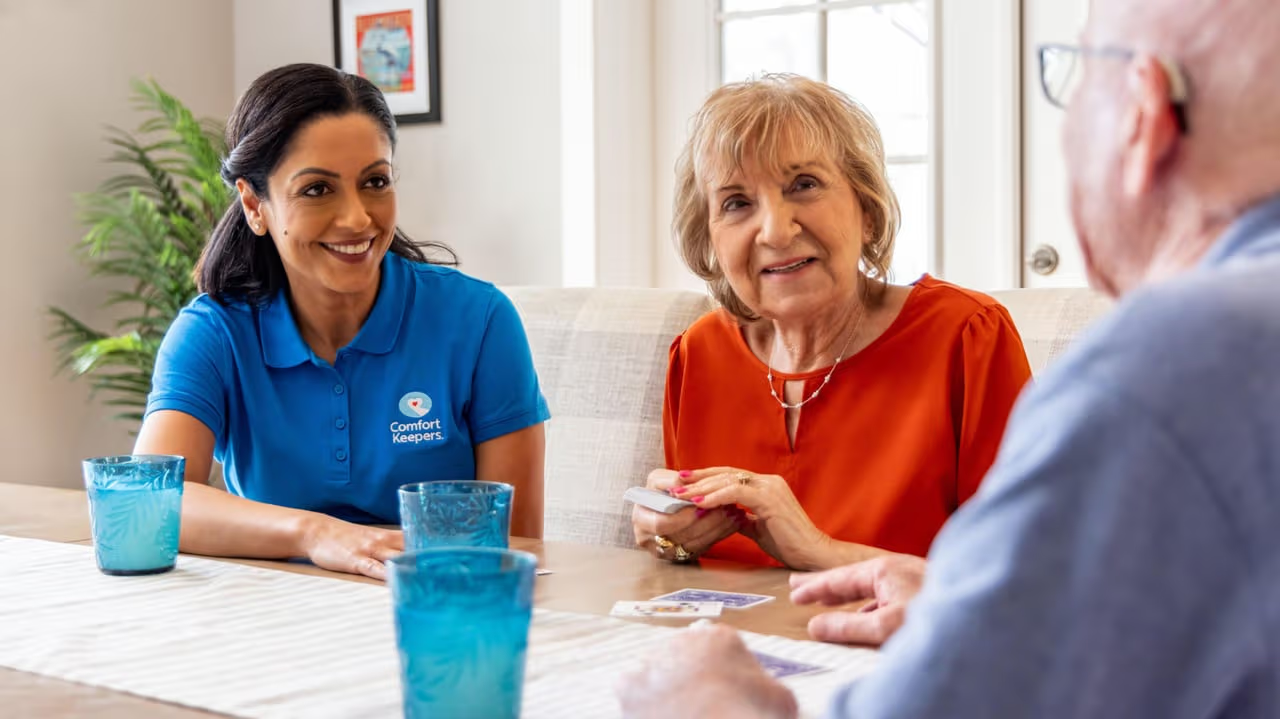
Behind many home care decisions sits an adult child with a dozen browser tabs open, trying to figure it all out with what little free time they have.
They’re in a work meeting while arranging Mom’s transportation, or checking a doorbell camera because nobody has answered the phone for two hours, and now their brain has imagined 3 progressively worse scenarios.
This truly has become an economy of its own, and the numbers help tell a piece of the story.
The 2025 Caregiving in the U.S. report found that 63 million Americans (roughly 1 in 4 adults) provide ongoing care for an older adult, or someone with a disability.
That number has increased by 20 million since 2015, by the way.
Nearly one-third of family caregivers are also raising children, and 6 in 10 are employed.
It’s a daily challenge trying to keep a career and care for a family, whether that’s an aging parent, children, or a combination of both. Eventually, love runs headfirst into logistics.
Families need support because the work grows faster than any one person’s capacity.
That’s what makes the home care category compelling from a business perspective…franchisees don’t need to manufacture demand at all.
Instead, they’re stepping into a problem millions of families are already desperately trying to solve.
And because care happens locally, trust becomes the ultimate differentiator.
Families want to know who is entering the home, how caregivers are selected, whether someone will answer when plans change, and if their loved one will be treated like an actual person.
Naturally, those relationships take a little bit of time to build, but they matter enormously.
This is a people-centric business in the most literal sense. The caregivers are the product, and often the reason a family finally sleeps peacefully through the night.
Turning Human Care Into a Scalable Business
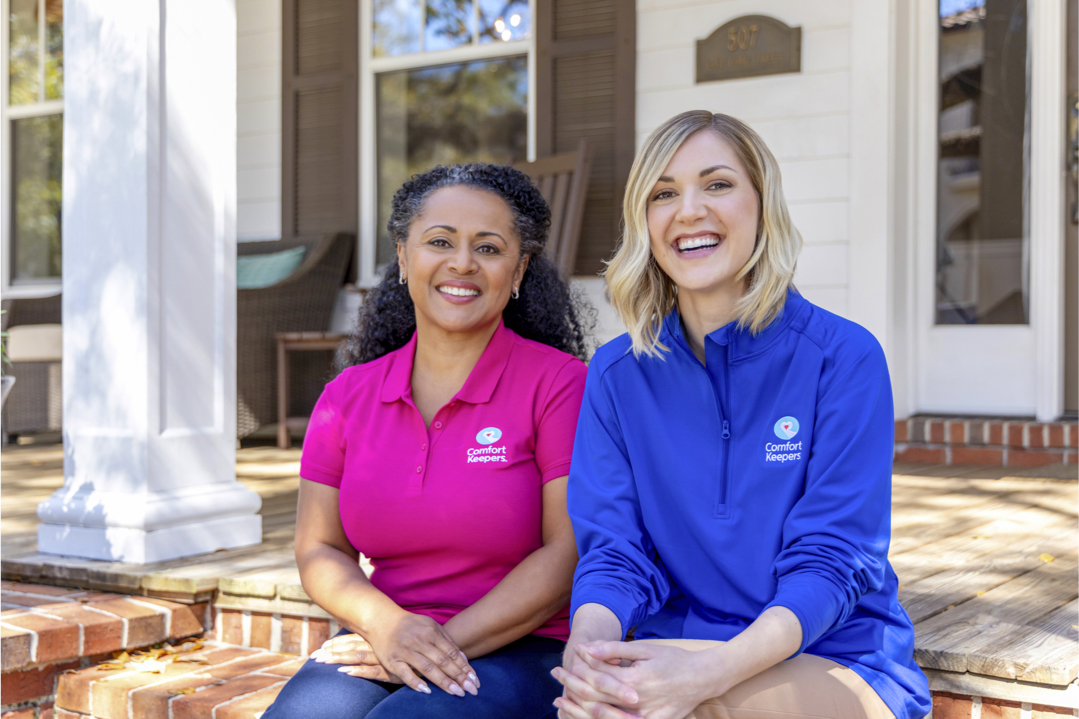
Comfort Keepers® has spent nearly 3 decades developing its home care model.
The brand now serves more than 650 markets across North America and offers services ranging from companion and personal care to dementia support, respite care, veteran care, and end-of-life care.
For an owner, the job is to build the local operation behind those services.
That means recruiting dependable caregivers, developing a culture that encourages them to stay, building community relationships, and keeping service quality high as the client base grows.
Comfort Keepers®’ owner-operated model gives franchisees the opportunity to apply skills they may already have from corporate management or other high-touch environments. The mission changes, but quite a few of the skills transfer seamlessly.
The franchise system then provides the playbook. Its three-phase onboarding program combines eLearning, virtual instruction, hands-on work at the corporate office, and continued 1:1 guidance.
Owners receive a personalized action plan with regular support from a Regional Director and access to peer Performance Management Groups.
That last part caught my attention, because running a business can get lonely pretty fast, so a peer group that functions like an informal board of directors gives owners somewhere to discuss what’s working, and which fire has decided to introduce itself this week.
The Comfort Keepers® support team also brings direct experience in home care operations, recruiting, local marketing, accounting, and staff scheduling.
Of course, the economics deserve some attention too. According to the brand’s 2026 FDD, Comfort Keepers® reports an AUV of $1,277,857 per territory and $3,852,836 per franchisee. Individual results will vary, because buying a franchise doesn’t summon a tiny revenue wizard to operate it for you.
Still, those figures show what a mature operation in this system can become.
Four Hundred Territories Where Leadership Could Become a Legacy
Sometimes, timing can make all the difference in the franchise world.
You can discover a great brand after every attractive territory has been claimed, at which point your options include moving across the country or glaring jealously at a map.
Comfort Keepers® still has more than 400 available markets throughout the United States.
That availability comes as the need for care just keeps expanding. America’s older population is growing, family caregivers are under increasing pressure, and the desire to age at home remains strong.
Comfort Keepers® has also been in growth mode, awarding more than 50 franchise territories across the United States and Canada over the last two years.
The brand has survived housing bubbles, recessions, a pandemic, and 28 years of entrepreneurs discovering exciting new ways to use the word disrupt.
Through it all, senior home care has never lost any relevance…quite the opposite, in fact.
It’s difficult to automate, too, which has become a much bigger deal in a very AI-centered world.
Sure, AI may optimize a schedule or help organize information, but it can’t sit beside someone who misses their spouse, or convince them to eat something besides crackers for dinner.
Human care remains stubbornly human, and that won’t ever change.
Comfort Keepers® has earned recognition from Franchise Business Review as a Most Profitable and Top Recession-Resistant franchise. Its franchisee satisfaction rate is reported at 90%, and prospective owners can hear directly from people operating the model through the brand’s franchisee testimonials.
For the right operator, this is a chance to build something substantial while helping people hold onto their routines and independence. All extra words to say…their home.
There’s a line every potential franchisee eventually has to cross between researching an industry and deciding whether they can see themselves inside it.
So ask yourself: What would it feel like to use everything you’ve learned about leadership to help hundreds of families keep one deeply personal promise?
Comfort Keepers® has more than 400 places where that answer could become a business.
And the silver tsunami isn’t waiting for America to finish acting surprised.